Read the district
Start with the surrounding streets, transit access and the likely arrival pattern.
City events · Toronto
Tyrflat approaches event planning from the viewpoint of the street: how visitors locate entrances, how timing is explained and how transit, sidewalks and nearby activity influence the experience.
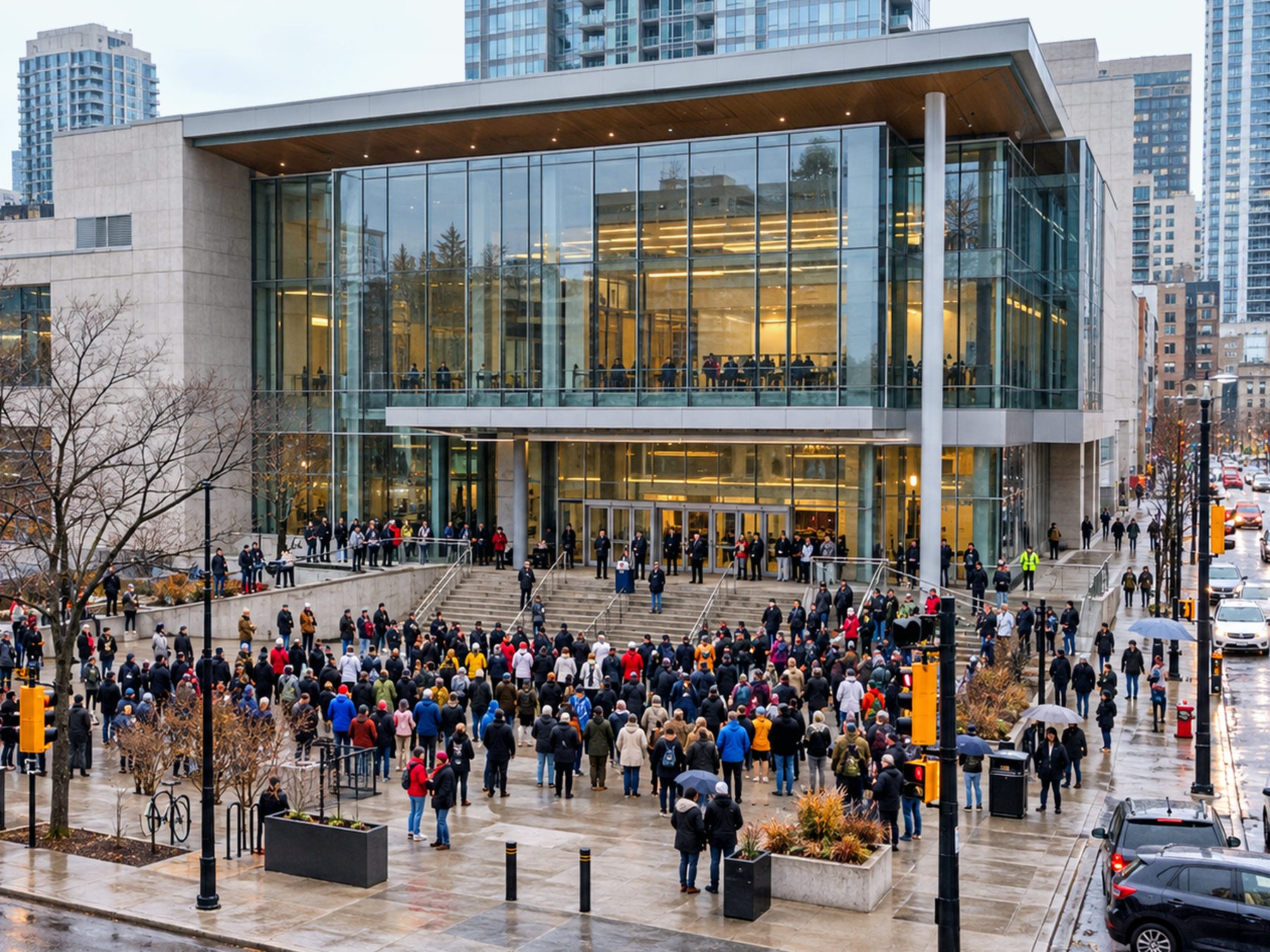
District context
Learn how programming, venue layout, visitor guidance and public communication can shape a smoother urban event experience.
Treat the path to the venue as part of the visitor experience, not as an afterthought.
Use visible cues to reduce hesitation when people need to choose where to go next.
Plan for busy points where movement slows and people need fast clarity.
Organize the program so that peaks, pauses and transitions work with the urban setting.
Flow
Start with the surrounding streets, transit access and the likely arrival pattern.
Connect entry points, event zones and public information so the path feels coherent.
Use concise guidance that supports decision-making on the move.
Test whether movement, wayfinding and program pacing all make sense together.

Signals
Urban event communication has to work quickly. It needs to support route choices, clarify timing and reduce hesitation in places where people are already processing many signals at once.
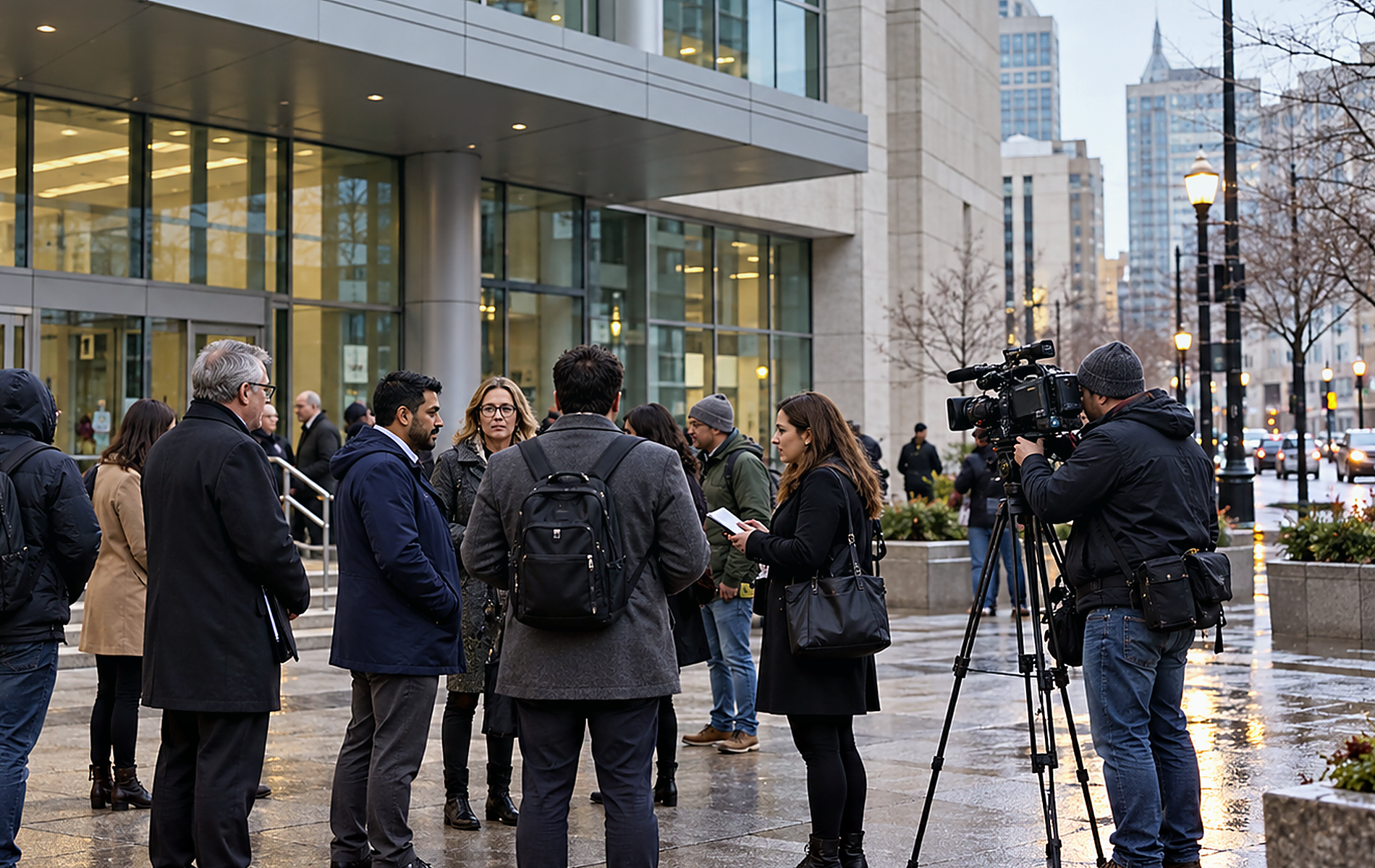
Another visual cue supporting the city-facing theme and the event experience.

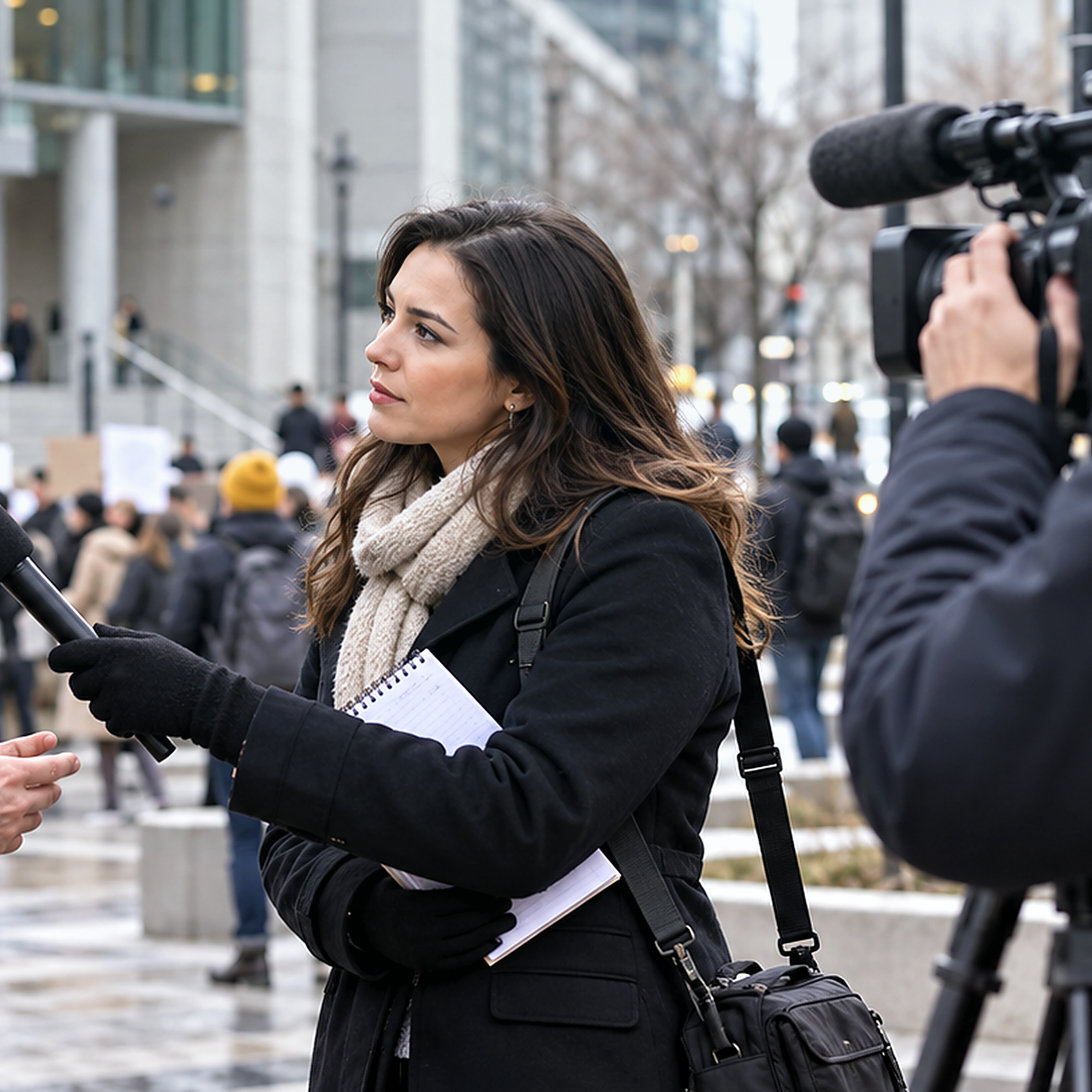
Another visual cue supporting the city-facing theme and the event experience.

Another visual cue supporting the city-facing theme and the event experience.
Contact
150 King St W, 5th Floor, Suite 509, Toronto, ON M5H 3T9, Canada
Phone: +1 416-238-1186 ext. 278
Email: [email protected]
The form validates required fields and then opens the local thank-you page in this static archive.
All visuals are stored locally inside the archive and selected to support the site theme.